Utility Shutoff Threat Scam
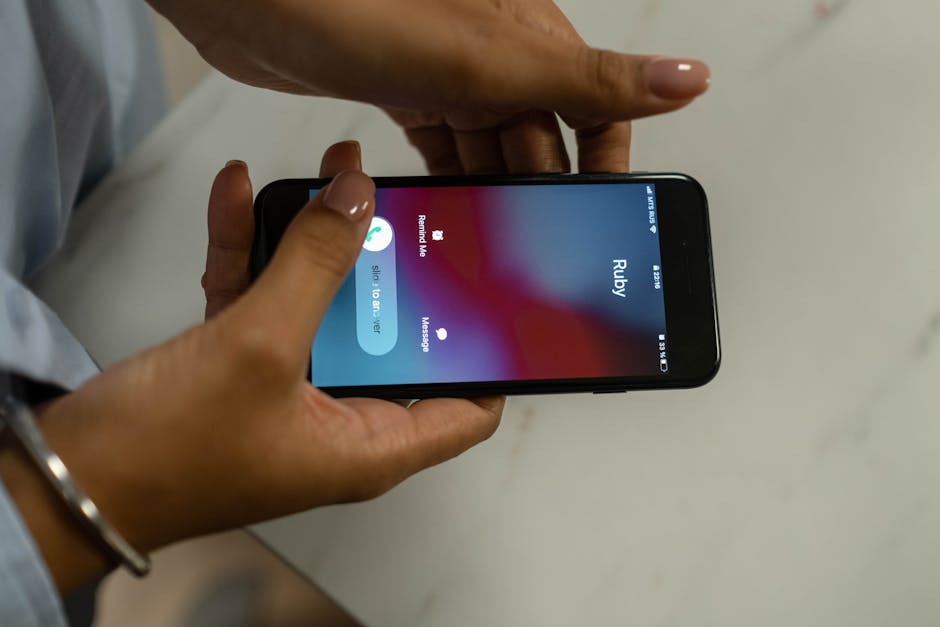
Americans lost $12.5 billion to fraud in 2024, according to the FTC.
Utility shutoff scams create a false sense of urgency, threatening to disconnect services like electricity or water to trick victims into making immediate payments, with one major utility, PG&E, reporting customers lost nearly $650,000 in 2024 alone.
Think you've seen this scam?
Paste any suspicious text, email, or voicemail into our free checker — get a verdict in 5 seconds. Or get our free Scam Defense Playbook.
Free. No credit card. No signup required for the checker.
How It Works
Red Flags
- Threats of immediate service disconnection without prior written notice.
- Demands for payment via gift card, wire transfer, cryptocurrency, or a cash reload card.
- Pressure to pay immediately over the phone as the only option.
- Caller ID or emails that look official but contain a different callback number than the one on your bill.
- Requests for personal or financial information that the utility company should already have.
- Claims that you have overpaid and requests for bank account information to issue a refund.
- Unsolicited contact offering a discount or rebate in exchange for account information.
What to Do If Targeted
- Hang up the phone immediately if you feel pressured or suspicious. Do not reply to suspicious texts or emails.
- Never provide personal information, financial details, or account numbers to an unsolicited caller.
- Contact your utility company directly using the phone number on your official bill or their website to verify your account status.
- Do not call any phone number provided by the potential scammer.
- Never make a payment using a gift card, wire transfer, or cryptocurrency as requested by a caller.
- Report the scam attempt to your utility company, even if you did not lose money.
How to Report It
- FTC — File a fraud report with the Federal Trade Commission to help them track and stop scammers.
- FBI IC3 — Report internet-based crimes and phone scams to the FBI's Internet Crime Complaint Center.
- BBB — Report the scam to the Better Business Bureau to warn others in your community.
- FCC — File a complaint about phone scams, robocalls, or unwanted calls with the Federal Communications Commission.
- AARP Fraud Helpline — Call 877-908-3360 for free support from trained fraud specialists. Available to anyone, not just AARP members.
Key Statistics
- In 2024, customers of a single utility, PG&E, lost $646,000 to shutoff scams after the company received over 26,000 scam reports. — PG&E 2025
- Victims of utility scams reported a median loss of $463 in 2023. — BBB 2023 Scam Tracker Risk Report
- Nearly one in five (18%) Americans have been targeted by a utility scam in the past year, with 52% of attempts happening by phone. — Utilities Now survey
- Imposter scams, which include utility scams, resulted in $2.95 billion in losses reported to the FTC in 2024. — FTC Consumer Sentinel Network Data Book 2024
- The FTC received nearly 30,000 reports of identity theft related to utility accounts in 2024. — FTC Consumer Sentinel Network 2024
Get scam alerts before they hit your parents' inbox
One email per week. The scam that's spreading right now, the red flags, and what to tell Mom and Dad.
Free forever. Unsubscribe in one click.
Frequently Asked Questions
Has this scam reached your family?
Ready to protect yourself?
We've vetted the tools that actually work — VPN, threat protection, and identity monitoring.
See our recommended tools →Get weekly scam alerts
One breakdown per week. Real threats. Zero fluff.