Government Grant Scams
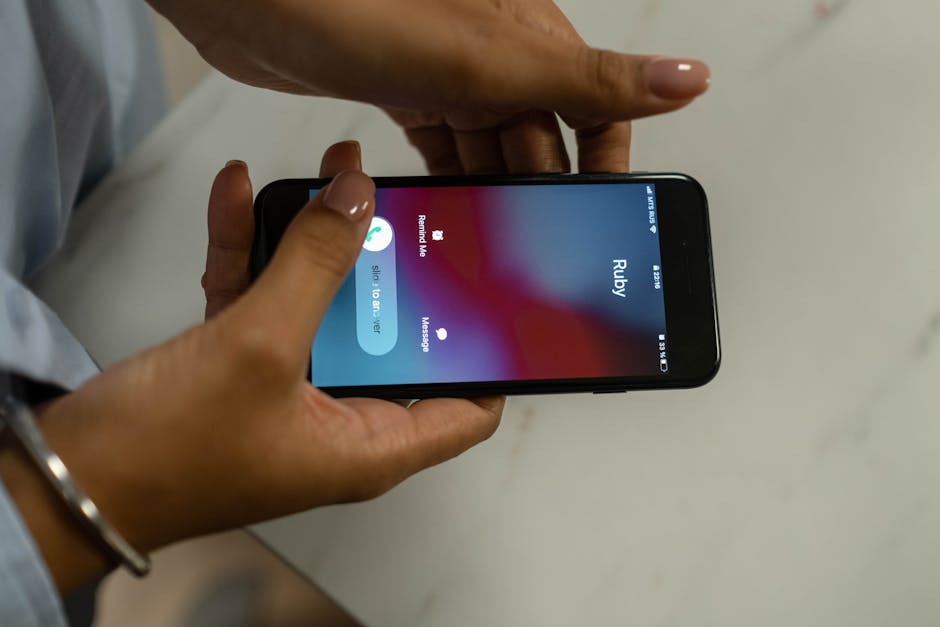
Americans lost $12.5 billion to fraud in 2024, according to the FTC.
Government grant scams trick victims into believing they have received a free grant, leading to reported losses from all government impersonation scams of $797 million in 2025 alone (FBI IC3).
Think you've seen this scam?
Paste any suspicious text, email, or voicemail into our free checker — get a verdict in 5 seconds. Or get our free Scam Defense Playbook.
Free. No credit card. No signup required for the checker.
How It Works
Red Flags
- You are contacted out of the blue about a grant you never applied for.
- You are asked to pay a fee to receive a "free" grant. Real government agencies do not charge for grants.
- The scammer guarantees your eligibility or says no application is required.
- You are asked for your Social Security number or bank account information to "verify" your identity or to deposit the funds.
- The person claims to be from an agency that does not exist, such as the "Federal Grants Administration."
- You are pressured to act immediately to claim your money.
- The communication contains spelling or grammatical errors.
What to Do If Targeted
- Never pay a fee to claim a government grant. Government agencies will not ask you to pay processing fees for a grant.
- Do not share your personal or financial information with anyone who contacts you unexpectedly.
- Hang up on unsolicited calls and do not respond to texts or emails about grants you did not apply for.
- Verify the legitimacy of any grant by visiting the official government website, Grants.gov.
- Never make payments with gift cards, wire transfers, or cryptocurrency, as these methods are difficult to trace.
- Talk to someone you trust. Discussing the offer can help you spot the red flags before you lose money.
How to Report It
- FTC — File a fraud report with the Federal Trade Commission if you encounter a government grant scam.
- FBI IC3 — Report the scam to the FBI's Internet Crime Complaint Center (IC3).
- HHS — Report grant-related scams to the Department of Health and Human Services (HHS) Fraud Hotline.
- FCC — File a complaint about phone scams, robocalls, or unwanted calls with the Federal Communications Commission.
- AARP Fraud Helpline — Call 877-908-3360 for free support from trained fraud specialists. Available to anyone, not just AARP members.
Key Statistics
- The FBI's Internet Crime Complaint Center (IC3) received nearly 32,500 government impersonation complaints in 2025, with reported losses of approximately $797 million. — FBI IC3 2025 Report
- Losses reported to the FTC for government imposter scams increased from $171 million in 2023 to $789 million in 2024. — FTC 2025
- In the first quarter of 2024, the median loss for consumers who paid cash to government impersonation scammers was $14,740. — FTC 2024
- Adults aged 60 and over reported combined losses of $445 million in 2024 to impersonation scams where they lost more than $100,000. — FTC 2025
Get scam alerts before they hit your parents' inbox
One email per week. The scam that's spreading right now, the red flags, and what to tell Mom and Dad.
Free forever. Unsubscribe in one click.
Frequently Asked Questions
Has this scam reached your family?
Ready to protect yourself?
We've vetted the tools that actually work — VPN, threat protection, and identity monitoring.
See our recommended tools →Get weekly scam alerts
One breakdown per week. Real threats. Zero fluff.