IRS Impersonation Scam Calls
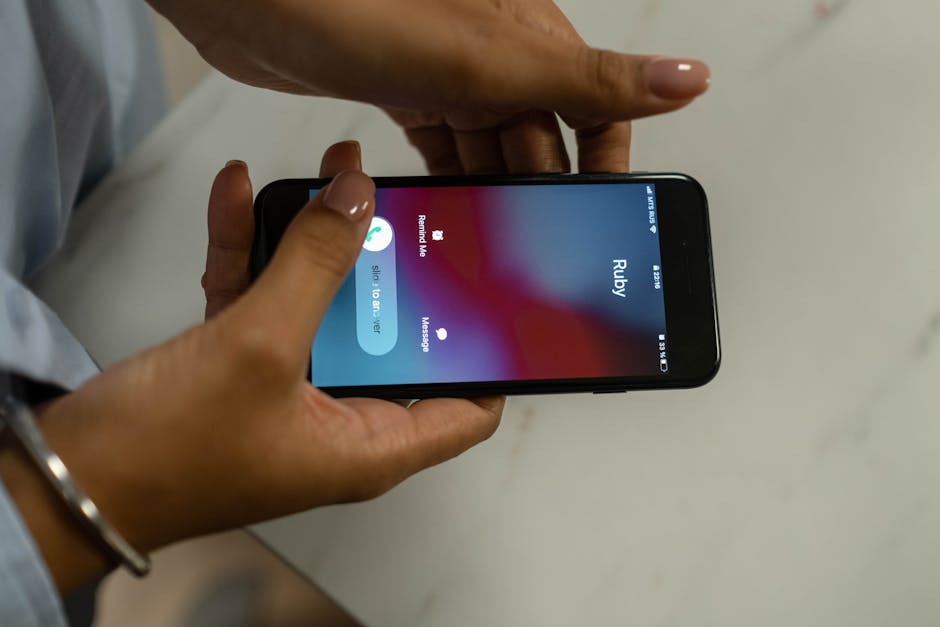
Phone scams cost Americans $1.4 billion in 2024, according to the FTC.
IRS impersonation scams, a common government imposter fraud, cost victims millions annually by using threats and urgency to demand immediate payment for fake tax debts; in 2023, reported losses to government impersonation scams topped $618 million.
Think you've seen this scam?
Paste any suspicious text, email, or voicemail into our free checker — get a verdict in 5 seconds. Or get our free Scam Defense Playbook.
Free. No credit card. No signup required for the checker.
How It Works
Red Flags
- Receiving an unsolicited call from someone claiming to be from the IRS demanding money.
- The caller threatens to bring in police or other law enforcement to arrest you for not paying.
- Demands for immediate tax payment using a specific method like a gift card, prepaid debit card, or wire transfer.
- The caller insists you pay without allowing you to question or appeal the amount they claim you owe.
- You are asked for credit or debit card numbers over the phone.
- The first contact you receive from the 'IRS' is a phone call, text, or email, not a letter in the mail.
What to Do If Targeted
- Hang up the phone immediately. Do not give out any personal or financial information.
- Do not engage with the caller, even if the caller ID looks legitimate, as numbers can be faked or 'spoofed'.
- If you think you might owe taxes, call the IRS directly at 800-829-1040 to verify your tax status.
- If you know you don't owe taxes, report the call to the Treasury Inspector General for Tax Administration (TIGTA) at 800-366-4484 or online.
- Report the scam call to the Federal Trade Commission at reportfraud.ftc.gov.
- Forward scam emails to phishing@irs.gov and report the caller ID and callback number from phone scams to the same address.
How to Report It
- TIGTA — Report IRS impersonation scams to the Treasury Inspector General for Tax Administration.
- FTC — File a fraud report with the Federal Trade Commission.
- FBI IC3 — Report internet crime, including phishing emails and fake websites, to the FBI.
- FCC — File a complaint about phone scams, robocalls, or unwanted calls with the Federal Communications Commission.
- AARP Fraud Helpline — Call 877-908-3360 for free support from trained fraud specialists. Available to anyone, not just AARP members.
Key Statistics
- Reported losses from government impersonation scams reached $618 million in 2023. — FTC 2024
- The FBI's Internet Crime Complaint Center (IC3) received 880,418 complaints in 2023, with reported losses exceeding $12.5 billion. — FBI IC3 2023 Annual Report
- In 2023, the FTC received nearly 160,000 reports of government impersonation scams. — FTC Data Spotlight 2024
- The average loss per successful tax scam victim in early 2025 was $32,080. — The Kaplan Group / BBB Scam Tracker 2025
- A 2025 survey found that IRS impersonation is the most commonly reported type of tax scam, accounting for 32% of encounters. — Norton 2026
Get scam alerts before they hit your parents' inbox
One email per week. The scam that's spreading right now, the red flags, and what to tell Mom and Dad.
Free forever. Unsubscribe in one click.
Frequently Asked Questions
Has this scam reached your family?
Ready to protect yourself?
We've vetted the tools that actually work — VPN, threat protection, and identity monitoring.
See our recommended tools →Get weekly scam alerts
One breakdown per week. Real threats. Zero fluff.