Phishing & Smishing Scams
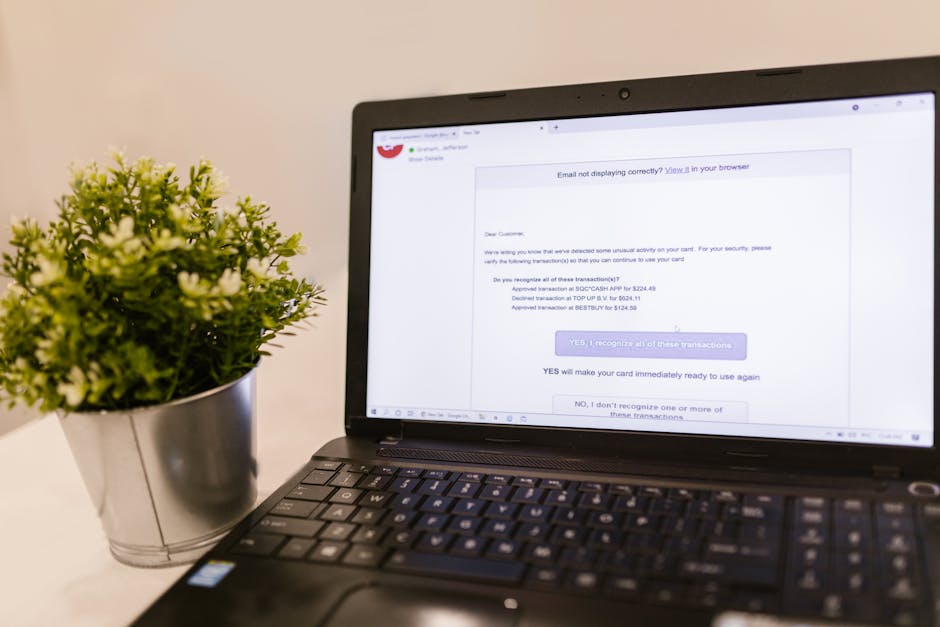
Americans lost $470 million to text scams in 2024, according to the FTC.
Phishing scams, which include fraudulent emails (phishing) and text messages (smishing), were the most frequently reported type of cybercrime to the FBI in 2023, accounting for 298,878 complaints.
Think you've seen this scam?
Paste any suspicious text, email, or voicemail into our free checker — get a verdict in 5 seconds. Or get our free Scam Defense Playbook.
Free. No credit card. No signup required for the checker.
How It Works
Red Flags
- The message creates a sense of urgency, threatening to close your account or take legal action if you don't act immediately.
- You are asked to click a link to verify your account details or provide personal information.
- The sender's email address or phone number looks suspicious or doesn't match the official company's contact information.
- The message contains spelling and grammar errors or has an unprofessional design.
- You are offered a prize, discount, or government refund that seems too good to be true.
- The message asks you to make a payment using an unusual method, such as gift cards, wire transfers, or cryptocurrency.
What to Do If Targeted
- Do not click on any links or download attachments from suspicious emails or texts.
- Never reply to the message or provide any personal or financial information.
- Go directly to the company's official website by typing the address in your browser or using a saved bookmark to check your account status.
- Verify the sender's identity by contacting the organization through a known phone number or email address found on their official website.
- Delete the suspicious email or text message to avoid accidentally clicking on it later.
- Report the phishing attempt to the company being impersonated and to the appropriate authorities.
How to Report It
- FTC — File a fraud report with the Federal Trade Commission for all types of scams.
- FBI IC3 — Report internet-based crime, including phishing and online fraud, to the FBI's Internet Crime Complaint Center.
- FCC — File a complaint about phone scams, robocalls, or unwanted calls with the Federal Communications Commission.
- AARP Fraud Helpline — Call 877-908-3360 for free support from trained fraud specialists. Available to anyone, not just AARP members.
Key Statistics
- Americans lost over $12.5 billion to internet crime in 2023, a 22% increase in losses from the previous year. — FBI IC3 2023 Internet Crime Report
- Phishing was the most prevalent cybercrime reported to the FBI in 2023, with 298,878 victims lodging complaints. — FBI IC3 2023 Internet Crime Report
- Business Email Compromise (BEC), a targeted form of phishing, cost victims $2.9 billion in 2023. — FBI IC3 2023 Internet Crime Report
- Impersonation scams, which include phishing and smishing, resulted in reported losses of $1.1 billion in 2023. — FTC 2024
- In 2023, phishing scam reports to the Better Business Bureau nearly doubled, reaching a record high of over 9,000. — BBB 2024
Get scam alerts before they hit your parents' inbox
One email per week. The scam that's spreading right now, the red flags, and what to tell Mom and Dad.
Free forever. Unsubscribe in one click.
Frequently Asked Questions
Has this scam reached your family?
Ready to protect yourself?
We've vetted the tools that actually work — VPN, threat protection, and identity monitoring.
See our recommended tools →Get weekly scam alerts
One breakdown per week. Real threats. Zero fluff.