Package Delivery Scams
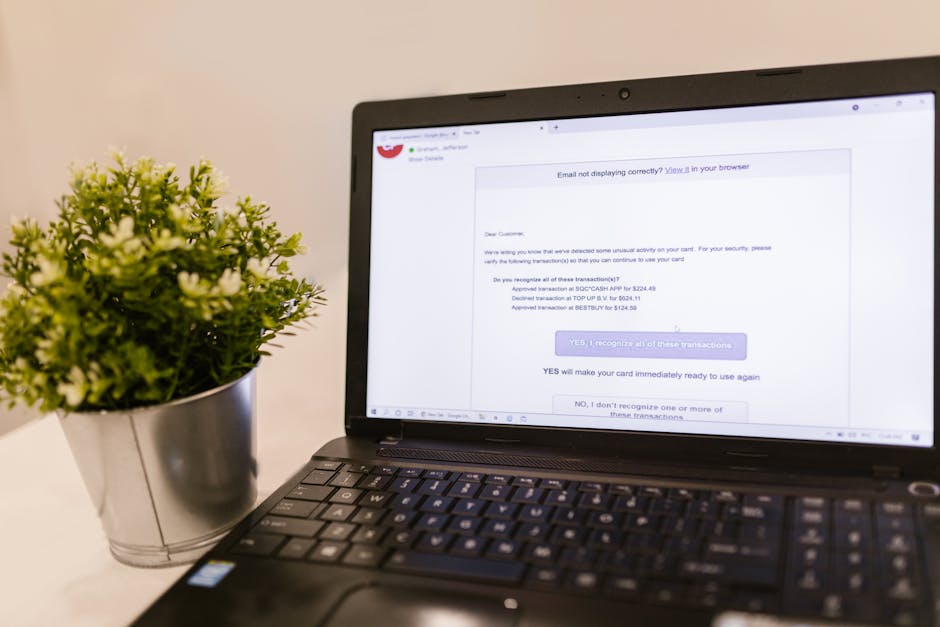
Americans lost $12.5 billion to fraud in 2024, according to the FTC.
Package delivery scams, where criminals impersonate carriers like USPS or FedEx, were the most reported type of text message scam in 2024, contributing to the $470 million lost to all text-based scams that year.
Think you've seen this scam?
Paste any suspicious text, email, or voicemail into our free checker — get a verdict in 5 seconds. Or get our free Scam Defense Playbook.
Free. No credit card. No signup required for the checker.
How It Works
Red Flags
- You receive a delivery notification for a package you did not order or are not expecting.
- The message demands a small payment for redelivery, customs fees, or taxes.
- The message contains a generic greeting like "Hello customer" instead of your name.
- The URL in the text or email does not match the official website of the delivery carrier (e.g., usps.com, fedex.com, ups.com).
- The message contains spelling errors, poor grammar, or awkward phrasing.
- The sender's email address is a long string of random characters or is from a public domain like gmail.com.
- The message creates a sense of urgency, pressuring you to act immediately to avoid your package being returned.
What to Do If Targeted
- Do not click on any links or download any attachments from unexpected delivery notifications.
- Go directly to the official website of the shipping carrier (e.g., usps.com, fedex.com) and enter the tracking number yourself to verify the package's status.
- Never provide personal or financial information in response to an unsolicited text or email.
- Legitimate delivery services will not request your personal details or payment information via text message.
- Forward the suspicious text message to 7726 (SPAM). This helps your wireless provider identify and block similar fraudulent messages.
- Delete the fraudulent message from your device after reporting it.
How to Report It
- FTC — File a fraud report with the Federal Trade Commission if you have been targeted by a scam.
- FBI IC3 — Report online crimes to the FBI's Internet Crime Complaint Center (IC3).
- FCC — File a complaint about phone scams, robocalls, or unwanted calls with the Federal Communications Commission.
- AARP Fraud Helpline — Call 877-908-3360 for free support from trained fraud specialists. Available to anyone, not just AARP members.
Key Statistics
- Consumers reported losing $470 million to scams that started with text messages in 2024, a figure five times higher than what was reported in 2020. — FTC 2025
- Fake package delivery notifications were the most commonly reported type of text message scam in 2024. — FTC 2025
- In 2023, the FBI's Internet Crime Complaint Center (IC3) received 880,418 complaints of cybercrime, with total reported losses exceeding $12.5 billion. — FBI IC3 2023 Internet Crime Report
- More than half of all U.S. adults reported receiving a fake shipping notice text in the past year, according to a 2025 survey. — AARP 2025
- Losses from text message scams in 2022 totaled $330 million, more than double the reported losses from the previous year. — AARP 2024
Get scam alerts before they hit your parents' inbox
One email per week. The scam that's spreading right now, the red flags, and what to tell Mom and Dad.
Free forever. Unsubscribe in one click.
Frequently Asked Questions
Has this scam reached your family?
Ready to protect yourself?
We've vetted the tools that actually work — VPN, threat protection, and identity monitoring.
See our recommended tools →Get weekly scam alerts
One breakdown per week. Real threats. Zero fluff.