Bank Fraud Alert Text Scams
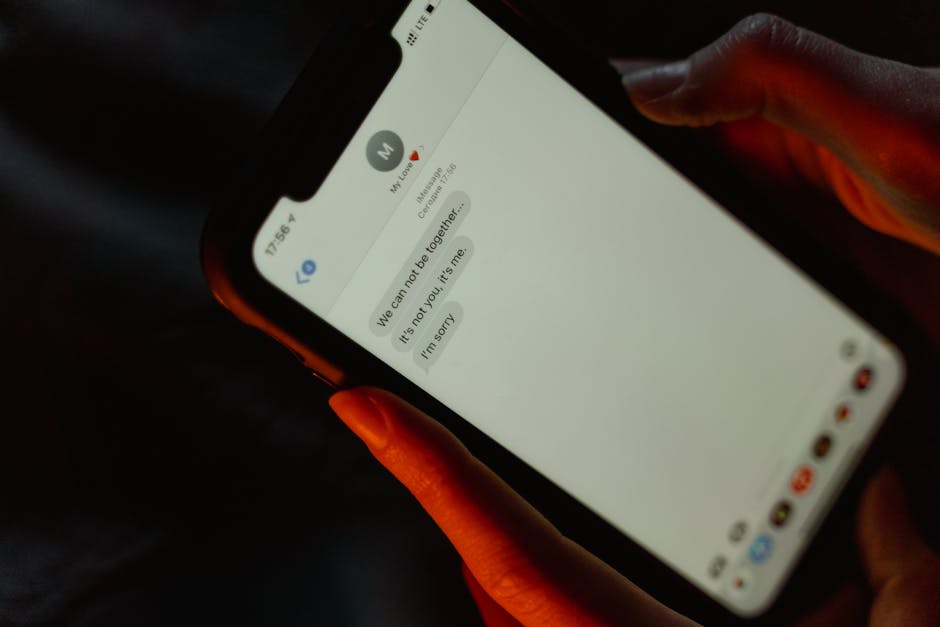
Americans lost $470 million to text scams in 2024, according to the FTC.
Bank fraud alert text scams, a form of smishing, trick victims into giving up personal information by sending fake security warnings, leading to significant financial loss; consumers reported losing $330 million to text scams in 2022 alone, with bank impersonation being the most common type.
Think you've seen this scam?
Paste any suspicious text, email, or voicemail into our free checker — get a verdict in 5 seconds. Or get our free Scam Defense Playbook.
Free. No credit card. No signup required for the checker.
How It Works
Red Flags
- The text message creates a sense of urgency or uses scare tactics, pressuring you to act immediately.
- It asks you to click on a suspicious link, which may be shortened or contain misspellings of the bank's name.
- The message requests personal or financial information like your password, PIN, or account number. Legitimate banks never ask for this via text.
- The sender's phone number is an unknown or unusual number, not a standard bank short code.
- The message contains grammatical errors, typos, or unprofessional language.
- You receive a follow-up phone call asking you to share a one-time verification code that was sent to your phone.
- The text describes a transaction or account issue that does not match your actual banking activity.
What to Do If Targeted
- Do not click on any links or reply to the message. Replying can confirm your number is active, leading to more scam attempts.
- Contact your bank directly using the official phone number on the back of your card or from their official website to verify the alert.
- Never provide personal information, account details, passwords, or one-time verification codes through a link or phone number sent in a text.
- Forward the suspicious text message to the number 7726 (SPAM). This helps your wireless provider identify and block similar fraudulent messages.
- If you have clicked a link or provided information, immediately contact your bank to report the fraud, change your passwords, and monitor your accounts.
- Delete the fraudulent text message from your phone to avoid accidentally clicking on it later.
How to Report It
- FTC — File a fraud report with the Federal Trade Commission to help them investigate and stop scammers.
- FBI IC3 — Report internet-enabled crime, including smishing and phishing, to the FBI's Internet Crime Complaint Center.
- IdentityTheft.gov — If you shared personal information like your Social Security number, report it to the FTC's identity theft unit to get a recovery plan.
- FCC — File a complaint about phone scams, robocalls, or unwanted calls with the Federal Communications Commission.
- AARP Fraud Helpline — Call 877-908-3360 for free support from trained fraud specialists. Available to anyone, not just AARP members.
Key Statistics
- Consumers reported losing $470 million to scams that started with text messages in 2024, a five-fold increase from 2020. — FTC 2025
- Bogus bank fraud warnings are the most common type of text message scam reported to the Federal Trade Commission. — FTC 2023
- In 2022, consumers reported losing $330 million to text scams, which was more than double the amount reported in 2021. — FTC 2023
- Reports of text messages impersonating banks increased nearly twentyfold between 2019 and 2022. — FTC 2023
- The FBI's Internet Crime Complaint Center (IC3) received 800,944 complaints in 2022, with total reported losses exceeding $10.2 billion. — FBI IC3 2022 Report
Get scam alerts before they hit your parents' inbox
One email per week. The scam that's spreading right now, the red flags, and what to tell Mom and Dad.
Free forever. Unsubscribe in one click.
Frequently Asked Questions
Has this scam reached your family?
Ready to protect yourself?
We've vetted the tools that actually work — VPN, threat protection, and identity monitoring.
See our recommended tools →Get weekly scam alerts
One breakdown per week. Real threats. Zero fluff.