Wrong Number Text Scams
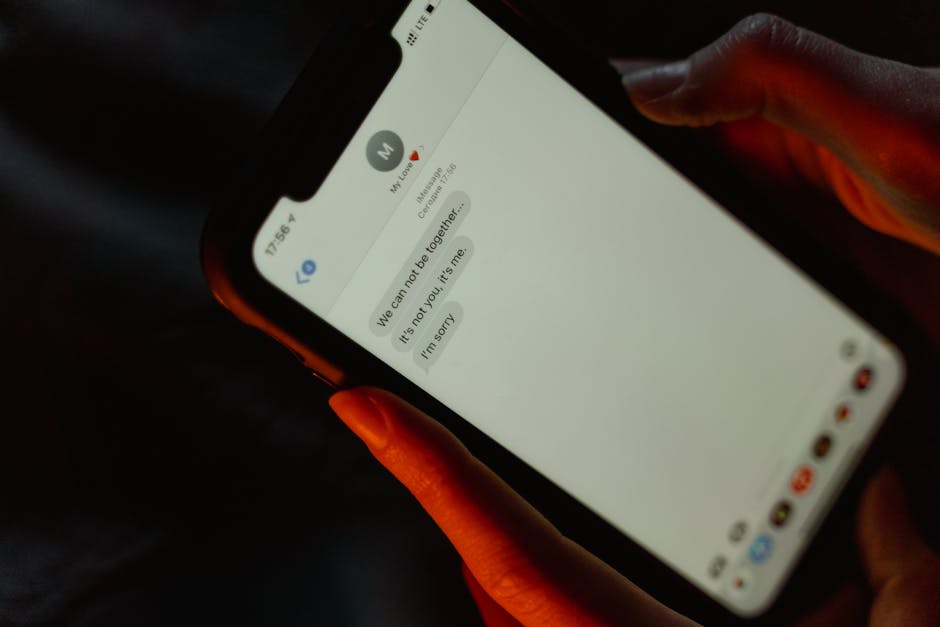
Americans lost $470 million to text scams in 2024, according to the FTC.
Wrong number text scams, a form of social engineering, lure victims into fraudulent investment schemes, contributing to the $4.57 billion lost to investment fraud in 2023 (FBI IC3).
Think you've seen this scam?
Paste any suspicious text, email, or voicemail into our free checker — get a verdict in 5 seconds. Or get our free Scam Defense Playbook.
Free. No credit card. No signup required for the checker.
How It Works
Red Flags
- You receive a vague message from an unknown number.
- The sender continues the conversation after you state they have the wrong number.
- The conversation quickly becomes overly friendly, personal, or romantic.
- The sender suggests moving the conversation to an encrypted messaging app like WhatsApp or Telegram.
- They bring up lucrative cryptocurrency or other investment opportunities and claim they can teach you.
- The sender's profile picture looks like a professional model or they send glamorous photos of a lavish lifestyle.
- They refuse to have a video call or meet in person.
What to Do If Targeted
- Do not respond to the message, even to say 'wrong number.' Replying confirms your number is active.
- Block the phone number immediately to prevent further contact.
- Delete the text message from your phone.
- Never click on any links or download attachments sent from an unknown number.
- Do not share any personal or financial information with someone you have only met via text.
- Forward the unwanted scam text to 7726 (SPAM) to help your wireless carrier block future scam texts.
How to Report It
- FTC — File a fraud report with the Federal Trade Commission to help with law enforcement investigations.
- FBI IC3 — Report the incident to the FBI's Internet Crime Complaint Center (IC3), especially if financial loss occurred.
- FCC — File a complaint about phone scams, robocalls, or unwanted calls with the Federal Communications Commission.
- AARP Fraud Helpline — Call 877-908-3360 for free support from trained fraud specialists. Available to anyone, not just AARP members.
Key Statistics
- In 2023, the FBI's Internet Crime Complaint Center (IC3) received 880,418 complaints with potential losses exceeding $12.5 billion. — FBI IC3 2023 Internet Crime Report
- Losses from investment fraud rose to $4.57 billion in 2023, a 38% increase from the previous year, making it the costliest crime tracked by the IC3. — FBI IC3 2023 Internet Crime Report
- Within investment fraud, losses specifically from crypto-investment scams grew by 53% from 2022, reaching $3.94 billion in 2023. — FBI IC3 2023 Internet Crime Report
- Consumers reported losing $470 million to scams that originated with a text message in 2024, a fivefold increase from 2020. — FTC 2025 Data Spotlight
Get scam alerts before they hit your parents' inbox
One email per week. The scam that's spreading right now, the red flags, and what to tell Mom and Dad.
Free forever. Unsubscribe in one click.
Frequently Asked Questions
Has this scam reached your family?
Ready to protect yourself?
We've vetted the tools that actually work — VPN, threat protection, and identity monitoring.
See our recommended tools →Get weekly scam alerts
One breakdown per week. Real threats. Zero fluff.