Wrong Item Return Scam
Americans lost $12.5 billion to fraud in 2024, according to the FTC.
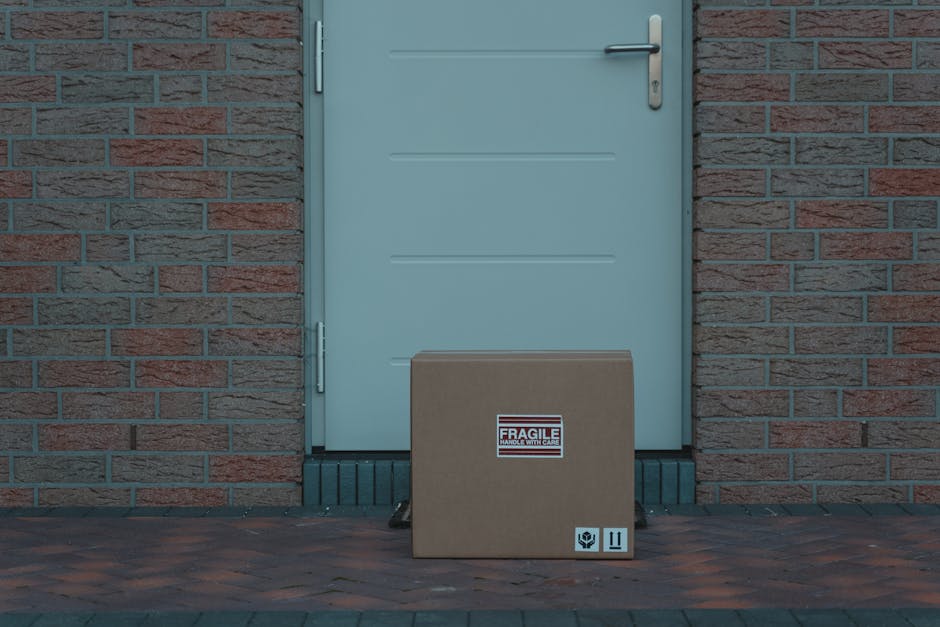
In a wrong item return scam, a buyer purchases a product online, then requests a refund and intentionally sends back a different, often worthless, item, a practice that contributes to the $101 billion lost annually to return fraud in the U.S.
Think you've seen this scam?
Paste any suspicious text, email, or voicemail into our free checker — get a verdict in 5 seconds. Or get our free Scam Defense Playbook.
Free. No credit card. No signup required for the checker.
How It Works
Red Flags
- The buyer has a new account with little to no feedback or purchase history.
- A buyer makes an unusually large purchase or buys multiple high-value items.
- The buyer claims the item is defective or not as described immediately upon delivery.
- The buyer is evasive, provides inconsistent information, or pressures for a quick refund.
- A return is initiated from a different address or under a different name than the original purchase.
- The tracking information for the return shows a package with a weight that does not match the original item's weight.
- A pattern of excessive returns from the same customer account or address.
What to Do If Targeted
- Document everything: Take photos and videos of the item you shipped and the incorrect item you received back, including the packaging and shipping label.
- Contact the marketplace immediately: Report the fraudulent return to the platform (e.g., Amazon, eBay, Facebook Marketplace) where the transaction occurred. Provide all your evidence.
- Communicate with the buyer professionally: Inform the buyer that you received the wrong item and attach photographic evidence. Keep all communication within the platform's official messaging system.
- Do not issue a refund voluntarily: Wait for the marketplace to investigate your fraud report. Refunding the buyer may close the case in their favor.
- File a police report with your local law enforcement agency for theft and mail fraud.
- Report the incident to the U.S. Postal Inspection Service if the mail was used for the fraud, and to the FBI's Internet Crime Complaint Center (IC3).
How to Report It
- FTC — File a fraud report with the Federal Trade Commission to help them track and stop scammers.
- FBI IC3 — Report internet crime to the FBI's Internet Crime Complaint Center (IC3).
- U.S. Postal Inspection Service — Report mail fraud if the U.S. Postal Service was used to ship the fraudulent return.
- FCC — File a complaint about phone scams, robocalls, or unwanted calls with the Federal Communications Commission.
- AARP Fraud Helpline — Call 877-908-3360 for free support from trained fraud specialists. Available to anyone, not just AARP members.
Key Statistics
- U.S. retailers lost an estimated $101 billion to return fraud in 2023. — National Retail Federation (NRF) 2023
- An estimated 13.7% of all retail returns in 2023 were fraudulent or an abuse of policy. — Appriss Retail / NRF 2023
- 65% of retailers surveyed in 2025 noted an increase in empty box or "box of rocks" returns. — NRF / Happy Returns 2025
- Nearly 4 in 10 online shoppers admit that they, or someone they know, has engaged in returns abuse or fraud within the past year. — Loop 2025 Survey
- Among retailers surveyed in 2024, 60% reported incidents of “wardrobing,” where a consumer buys an item, uses it, and then returns it. — Appriss Retail / Deloitte 2024
Get scam alerts before they hit your parents' inbox
One email per week. The scam that's spreading right now, the red flags, and what to tell Mom and Dad.
Free forever. Unsubscribe in one click.
Frequently Asked Questions
Has this scam reached your family?
Ready to protect yourself?
We've vetted the tools that actually work — VPN, threat protection, and identity monitoring.
See our recommended tools →Get weekly scam alerts
One breakdown per week. Real threats. Zero fluff.