Romance Scams
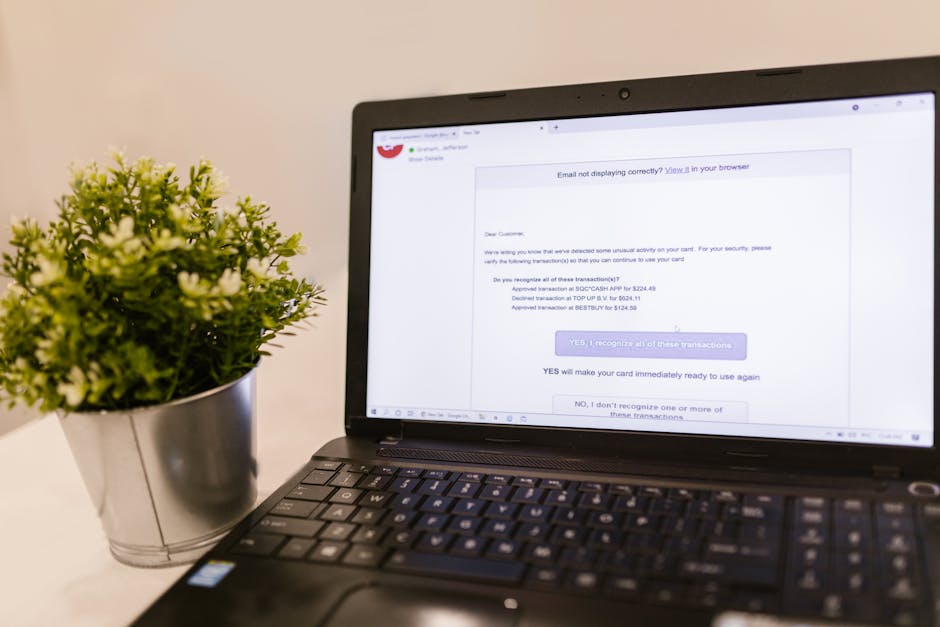
Americans lost $12.5 billion to fraud in 2024, according to the FTC.
Romance scams are a form of online fraud where criminals adopt fake online identities to gain a victim's affection and trust, ultimately stealing $1.14 billion from victims in 2023 alone.
Think you've seen this scam?
Paste any suspicious text, email, or voicemail into our free checker — get a verdict in 5 seconds. Or get our free Scam Defense Playbook.
Free. No credit card. No signup required for the checker.
How It Works
Red Flags
- They profess love very quickly, despite never having met you in person.
- Their online profile seems too perfect, with professional or model-like photos.
- They always have an excuse for why they cannot meet in person or do a video call.
- They quickly try to move the conversation from the dating site or social media app to a private channel like email or a messaging app.
- They ask you for money, gift cards, or cryptocurrency, often for a sudden, dramatic emergency.
- They claim to be working overseas, in the military, or on an oil rig, making it difficult to verify their story.
- They ask for your personal information, like your bank account details, for a supposedly legitimate reason.
What to Do If Targeted
- Immediately stop all communication with the person.
- Do not send them any more money or personal information.
- Talk to a trusted friend or family member about what has happened.
- Contact your bank or financial institution immediately if you have sent money or shared financial details.
- Report the scammer's profile to the dating site or social media platform where you met.
- Keep records of all your communications with the scammer, including conversations and transaction details.
How to Report It
- FTC — File a fraud report with the Federal Trade Commission to help with law enforcement investigations.
- FBI IC3 — Report the internet crime to the FBI's Internet Crime Complaint Center (IC3).
- FCC — File a complaint about phone scams, robocalls, or unwanted calls with the Federal Communications Commission.
- AARP Fraud Helpline — Call 877-908-3360 for free support from trained fraud specialists. Available to anyone, not just AARP members.
Key Statistics
- In 2023, 64,003 people filed a report with the FTC about a romance scam, with total reported losses of $1.14 billion. — FTC 2024
- The median loss per person in a romance scam was $2,000 in 2023, the highest of any imposter scam category. — FTC 2024
- Nearly 1 in 10 adults age 50 and older have been targeted by a romance scammer online. — AARP 2026
- In 2023, the FBI's Internet Crime Complaint Center (IC3) received over 880,000 complaints with losses exceeding $12.5 billion, with investment fraud often beginning as a romance scam. — FBI IC3 2023 Internet Crime Report
- More than half (55%) of romance scam incidents where money is lost are never reported to authorities. — AARP 2026
Get scam alerts before they hit your parents' inbox
One email per week. The scam that's spreading right now, the red flags, and what to tell Mom and Dad.
Free forever. Unsubscribe in one click.
Frequently Asked Questions
Has this scam reached your family?
Ready to protect yourself?
We've vetted the tools that actually work — VPN, threat protection, and identity monitoring.
See our recommended tools →Get weekly scam alerts
One breakdown per week. Real threats. Zero fluff.