Phishing Email Scams
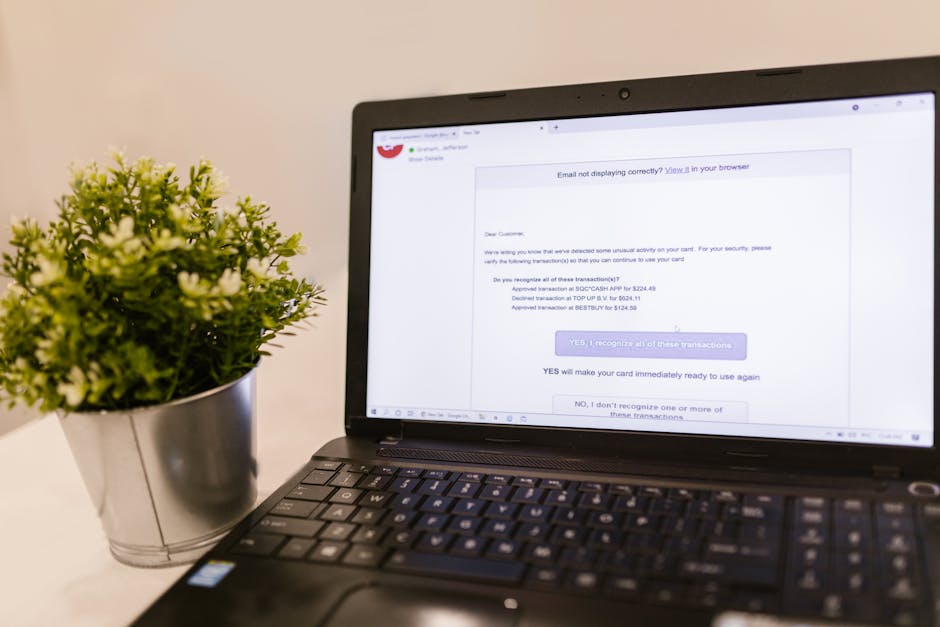
Americans lost $12.5 billion to fraud in 2024, according to the FTC.
Phishing is a cybercrime where scammers use deceptive emails to steal sensitive information, leading to 193,407 reported incidents and over $70 million in losses in 2024, according to the FBI.
Think you've seen this scam?
Paste any suspicious text, email, or voicemail into our free checker — get a verdict in 5 seconds. Or get our free Scam Defense Playbook.
Free. No credit card. No signup required for the checker.
How It Works
Red Flags
- The email creates a sense of urgency or uses threatening language to rush you into acting without thinking.
- The sender's email address doesn't match the company's official domain (e.g., an address from @gmail.com instead of @company.com).
- The email contains spelling and grammatical errors or uses generic greetings like "Dear Valued Customer" instead of your name.
- Hovering your mouse over a link reveals a web address that is different from the one displayed in the email text.
- The message asks for sensitive information like passwords, Social Security numbers, or bank account details, which legitimate companies rarely request via email.
- The email includes unexpected attachments or asks you to download files you were not expecting.
- The design, logos, or overall look of the email feels unprofessional or slightly different from legitimate communications you have received from the company.
What to Do If Targeted
- Do not click on any links or download any attachments in a suspicious email. Simply opening the email is generally safe, but interacting with its contents is not.
- If you think the message might be legitimate, contact the organization directly using a phone number or website you know is real. Do not use the contact information provided in the suspicious email.
- Report the phishing attempt to your email provider by using the "Report Spam" or "Report Phishing" feature. This helps improve their spam filters.
- Forward the phishing email to the Anti-Phishing Working Group at reportphishing@apwg.org and to the FTC at ReportFraud.ftc.gov.
- If you clicked a link or provided personal information, immediately change the passwords for any affected accounts and any other accounts that use the same password.
- Monitor your financial accounts and credit reports for any unauthorized activity. Consider placing a fraud alert on your credit files.
How to Report It
- FTC — Report the phishing attempt to the Federal Trade Commission to help with law enforcement investigations.
- FBI IC3 — File a complaint with the FBI's Internet Crime Complaint Center if you are a victim of a phishing scam.
- FCC — File a complaint about phone scams, robocalls, or unwanted calls with the Federal Communications Commission.
- AARP Fraud Helpline — Call 877-908-3360 for free support from trained fraud specialists. Available to anyone, not just AARP members.
Key Statistics
- The FBI's Internet Crime Complaint Center (IC3) received 193,407 phishing complaints in 2024, making it the most frequently reported type of cybercrime. — FBI IC3 2024 Internet Crime Report
- Reported losses from phishing scams surged to over $70 million in 2024, a significant increase from $18.7 million in 2023. — FBI IC3 2024 Internet Crime Report
- Business Email Compromise (BEC), a targeted form of phishing, was the second costliest cybercrime in 2024, with 21,442 victims losing a total of $2.77 billion. — FBI IC3 2024 Internet Crime Report
- In 2023, email was the number one method scammers used to initiate contact with victims, overtaking text messages and phone calls. — FTC 2023 Data Book
- Across all types of fraud in 2023, consumers reported losing more money to bank transfers ($1.86 billion) and cryptocurrency ($1.41 billion) than any other payment method. — FTC 2023 Data Book
Get scam alerts before they hit your parents' inbox
One email per week. The scam that's spreading right now, the red flags, and what to tell Mom and Dad.
Free forever. Unsubscribe in one click.
Frequently Asked Questions
Has this scam reached your family?
Ready to protect yourself?
We've vetted the tools that actually work — VPN, threat protection, and identity monitoring.
See our recommended tools →Get weekly scam alerts
One breakdown per week. Real threats. Zero fluff.