Medicare Enrollment Scams
Older adults lost over $4.85 billion to fraud in 2024 — a 46% increase — with over 147,000 FBI complaints.
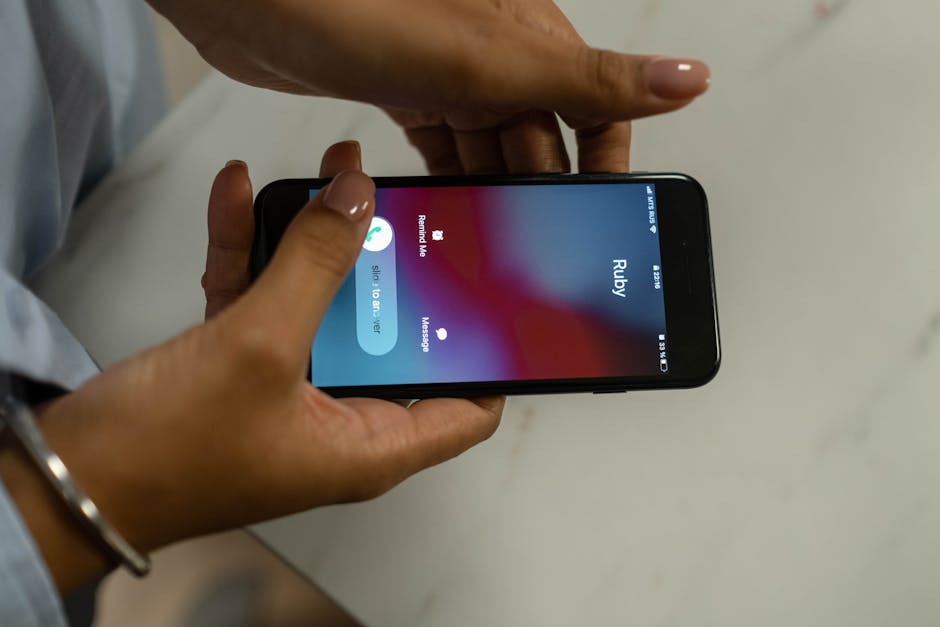
Medicare enrollment scams use deceptive phone calls and other tactics to steal personal information and money, contributing to the $1.1 billion lost to government and business impersonation scams in 2023 (FTC 2024).
Think you've seen this scam?
Paste any suspicious text, email, or voicemail into our free checker — get a verdict in 5 seconds. Or get our free Scam Defense Playbook.
Free. No credit card. No signup required for the checker.
How It Works
Red Flags
- Unsolicited calls, texts, or emails from someone claiming to be a Medicare representative. Medicare will only call if you have left a message requesting a return call.
- Threats that your Medicare benefits will be canceled if you do not provide personal information immediately.
- High-pressure tactics demanding you make a quick decision about your health plan, often during the busy Open Enrollment period (October 15 - December 7).
- Offers of "free" medical equipment, genetic testing kits, or other services in exchange for your Medicare number.
- Requests for your Medicare number, Social Security number, or bank account information over the phone to "verify" your identity or "activate" a new card.
- Claims that you must pay a fee for a new Medicare card. Real Medicare cards are always free.
- Callers who tell you to send back your old Medicare card. Medicare will never ask you to do this.
What to Do If Targeted
- Hang up on unsolicited calls from anyone claiming to be from Medicare. Do not provide any personal or financial information.
- Never give your Medicare number or Social Security number to anyone who contacts you unexpectedly.
- Do not trust your caller ID. Scammers can fake official-looking numbers. If you are concerned, call Medicare directly at 1-800-MEDICARE (1-800-633-4227) to verify the communication.
- Regularly review your Medicare Summary Notice (MSN) or Explanation of Benefits (EOB) for any services or equipment you did not receive. Report any suspicious charges immediately.
- If you believe you have given your information to a scammer, call Medicare immediately at 1-800-MEDICARE to flag your account and request a new card if necessary.
- Shred your old Medicare cards and any documents containing personal health information before discarding them.
How to Report It
- FTC — Report government impersonation scams and other fraud to the Federal Trade Commission.
- FBI IC3 — File a complaint about health care fraud with the FBI's Internet Crime Complaint Center.
- HHS OIG — Report Medicare fraud directly to the Office of Inspector General, U.S. Department of Health & Human Services by phone at 1-800-HHS-TIPS (1-800-447-8477).
- FCC — File a complaint about phone scams, robocalls, or unwanted calls with the Federal Communications Commission.
- AARP Fraud Helpline — Call 877-908-3360 for free support from trained fraud specialists. Available to anyone, not just AARP members.
Key Statistics
- Medicare loses an estimated $60 billion each year due to fraud, waste, and abuse. — Administration for Community Living
- Reported losses to government and business impersonation scams, including Medicare scams, topped $1.1 billion in 2023. — FTC 2024
- In 2023, the FTC received nearly 160,000 reports of government impersonation scams. — FTC 2024
- Complaints about Medicare scam calls surged 40% in one year, with some seniors receiving 50 to 60 fraudulent calls per day. — Better Business Bureau
Get scam alerts before they hit your parents' inbox
One email per week. The scam that's spreading right now, the red flags, and what to tell Mom and Dad.
Free forever. Unsubscribe in one click.
Frequently Asked Questions
Has this scam reached your family?
Ready to protect yourself?
We've vetted the tools that actually work — VPN, threat protection, and identity monitoring.
See our recommended tools →Get weekly scam alerts
One breakdown per week. Real threats. Zero fluff.