Fake Software Update Scams
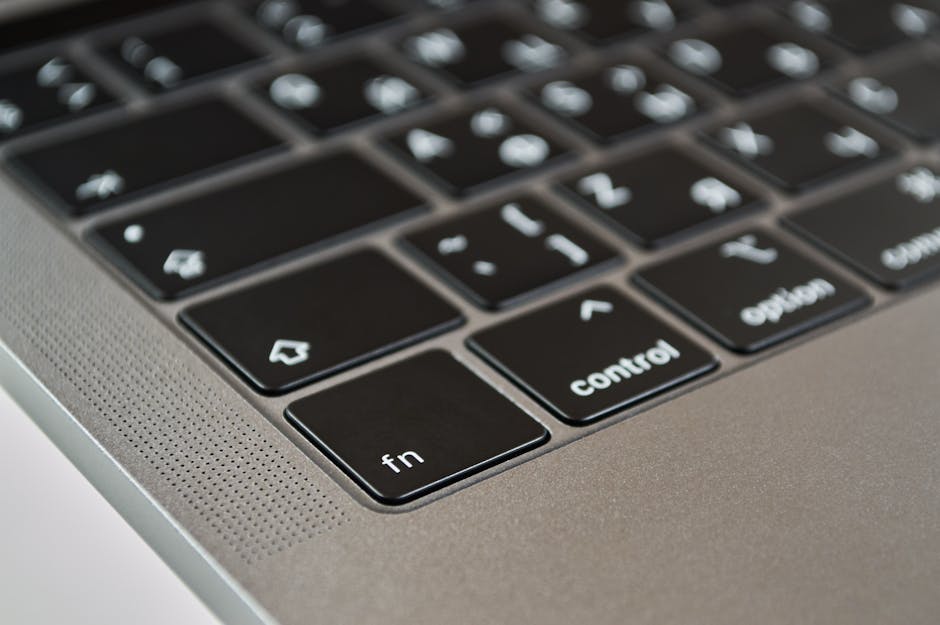
Americans lost $12.5 billion to fraud in 2024, according to the FTC.
Fake software update scams trick users into installing malware through deceptive pop-ups, leading to significant financial loss; tech support scams, a closely related category, cost victims over $1.46 billion in 2024 alone, according to the FBI.
Think you've seen this scam?
Paste any suspicious text, email, or voicemail into our free checker — get a verdict in 5 seconds. Or get our free Scam Defense Playbook.
Free. No credit card. No signup required for the checker.
How It Works
Red Flags
- Unsolicited pop-up browser warnings that claim your computer is infected and instruct you to call a specific phone number.
- Notifications that freeze your screen or play loud alarms and flashing lights to create a sense of urgency.
- Grammatical errors, typos, or unprofessional design in the update notification or on the linked website.
- Requests for remote access to your computer from an unknown person or company you did not contact first.
- Pressure to pay for tech support services with unconventional methods like gift cards, wire transfers, or cryptocurrency.
- Receiving a phone call, text, or email about a computer problem you were unaware of from someone claiming to be from a major tech company.
- Error messages that include a phone number to call for help; legitimate companies like Microsoft do not include phone numbers in their error notifications.
What to Do If Targeted
- Do not click any links, download files, or call the number on the pop-up message.
- If the browser is frozen, shut down your computer or use Task Manager (Ctrl+Alt+Delete) or Force Quit (Command-Option-Esc) to close the browser. Restart the device.
- Never grant an unsolicited caller remote access to your device.
- Go directly to the official company's website (e.g., Microsoft, Apple) to check for and download any legitimate software updates.
- Run a scan with legitimate, up-to-date security software to check for any malware.
- If you have already paid a scammer, contact your bank or credit card company immediately to report the fraud and dispute the charges.
How to Report It
- FTC — File a fraud report with the Federal Trade Commission. Your report helps law enforcement build cases against scammers.
- FBI IC3 — Report internet crime, including tech support scams, to the FBI's Internet Crime Complaint Center (IC3).
- BBB — Report the incident on the Better Business Bureau's Scam Tracker to warn others in your community.
- FCC — File a complaint about phone scams, robocalls, or unwanted calls with the Federal Communications Commission.
- AARP Fraud Helpline — Call 877-908-3360 for free support from trained fraud specialists. Available to anyone, not just AARP members.
Key Statistics
- Losses from tech support scams, which often use fake update warnings, reached $1.46 billion in 2024, a significant increase from the previous year. — FBI Internet Crime Complaint Center (IC3) 2025 Report
- In 2025, losses reported to the FBI IC3 for tech support scams climbed to $2.13 billion. — FBI Internet Crime Report 2025
- Nearly half of the victims of tech support scams in 2023 were over the age of 60, according to the FBI. — FBI IC3 2023 Report
- The FTC received 52,000 reports of scammers impersonating Best Buy or its Geek Squad tech support brand in 2023. — Federal Trade Commission (FTC) 2024
- A Microsoft study found that 60% of consumers had been exposed to a tech support scam within the previous twelve months. — Microsoft 2021 Global Tech Support Scam Research
Get scam alerts before they hit your parents' inbox
One email per week. The scam that's spreading right now, the red flags, and what to tell Mom and Dad.
Free forever. Unsubscribe in one click.
Frequently Asked Questions
Has this scam reached your family?
Ready to protect yourself?
We've vetted the tools that actually work — VPN, threat protection, and identity monitoring.
See our recommended tools →Get weekly scam alerts
One breakdown per week. Real threats. Zero fluff.