Fake Invoice Scams
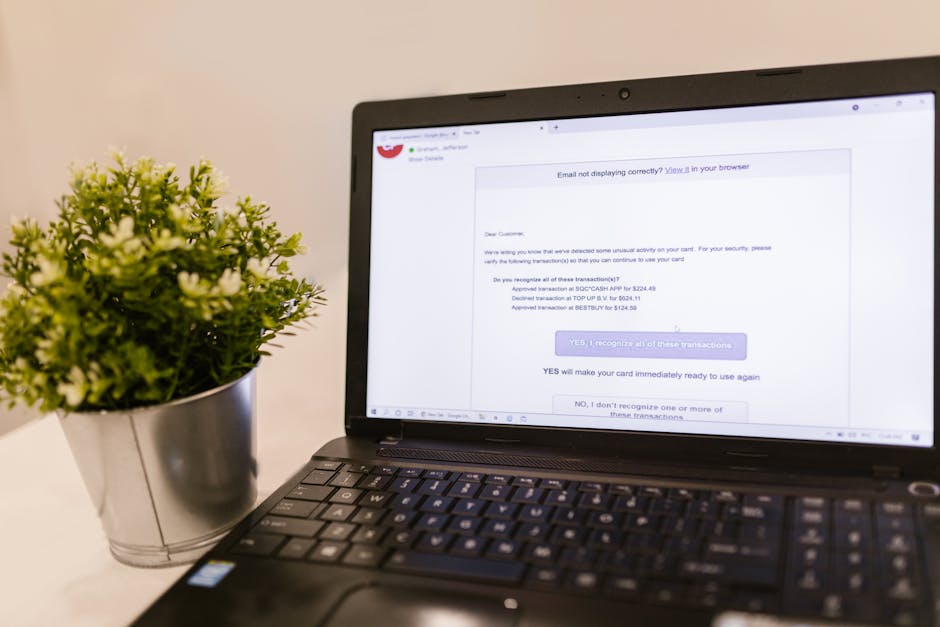
Phone scams cost Americans $1.4 billion in 2024, according to the FTC.
Fake invoice scams, a form of Business Email Compromise (BEC), tricked businesses and individuals out of more than $2.9 billion in 2023, according to the FBI.
Think you've seen this scam?
Paste any suspicious text, email, or voicemail into our free checker — get a verdict in 5 seconds. Or get our free Scam Defense Playbook.
Free. No credit card. No signup required for the checker.
How It Works
Red Flags
- You receive an unexpected invoice for products or services you never ordered or received.
- A vendor suddenly requests to change their payment information, such as bank account or routing numbers.
- The email address of the sender is slightly different from the legitimate company's domain (e.g., "cocobeans.com" instead of "cocoabeans.com").
- The invoice contains spelling errors, grammatical mistakes, or a low-quality logo.
- There is intense pressure to make the payment immediately, often with threats of fines or service interruptions.
- The invoice amount is unusual, such as a round number when that is not typical for that vendor, or is for a slightly different amount than expected.
What to Do If Targeted
- Do not pay the invoice. Do not click any links, open attachments, or call any phone numbers listed in the suspicious email.
- Contact the vendor directly using a phone number or email address you have on file from previous, legitimate interactions. Do not use the contact information from the suspicious invoice.
- Verbally confirm any requests to change payment information with your established contact at the vendor's company.
- If you have already paid, contact your financial institution immediately to report the fraud and request a stop or reversal of the payment.
- Review all internal invoices and payments for any other unusual activity or changes.
- Educate employees, especially those in finance and accounts payable, on how to spot and handle potential invoice scams.
How to Report It
- FTC — Report the fraud to the Federal Trade Commission, which shares information with over 2,000 law enforcement agencies.
- FBI IC3 — File a complaint with the FBI's Internet Crime Complaint Center (IC3), especially if the scam occurred online or involved email.
- BBB — Report the scam to the Better Business Bureau's Scam Tracker to help warn other businesses and consumers.
- FCC — File a complaint about phone scams, robocalls, or unwanted calls with the Federal Communications Commission.
- AARP Fraud Helpline — Call 877-908-3360 for free support from trained fraud specialists. Available to anyone, not just AARP members.
Key Statistics
- In 2023, the FBI IC3 received 21,489 Business Email Compromise (BEC) complaints, which includes fake invoice scams, with adjusted losses over $2.9 billion. — FBI IC3 2023 Internet Crime Report
- The average cost of a single successful Business Email Compromise (BEC) attack in 2023 was $137,132, an increase from $125,612 the previous year. — FBI IC3 2023 Internet Crime Report
- Email was the number one contact method for scammers in 2023, particularly for those impersonating a business or government agency. — FTC 2023 Consumer Sentinel Network Data Book
- Imposter scams, which include business and government impersonation, were the top fraud category in 2023, with reported losses of $2.7 billion. — FTC 2023 Consumer Sentinel Network Data Book
Get scam alerts before they hit your parents' inbox
One email per week. The scam that's spreading right now, the red flags, and what to tell Mom and Dad.
Free forever. Unsubscribe in one click.
Frequently Asked Questions
Has this scam reached your family?
Ready to protect yourself?
We've vetted the tools that actually work — VPN, threat protection, and identity monitoring.
See our recommended tools →Get weekly scam alerts
One breakdown per week. Real threats. Zero fluff.