Amazon OTP Verification Scam
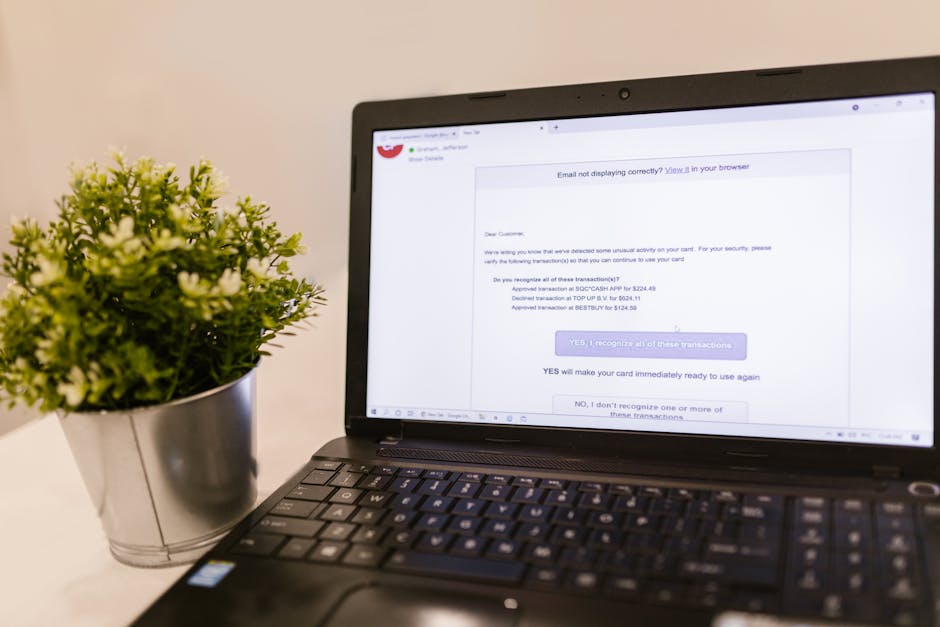
Americans lost $12.5 billion to fraud in 2024, according to the FTC.
In the Amazon OTP verification scam, fraudsters impersonating Amazon employees trick you into sharing a One-Time Password (OTP) to gain unauthorized access to your account, part of a larger trend where Amazon was the second-most impersonated business in 2023, leading to $19 million in reported losses.
Think you've seen this scam?
Paste any suspicious text, email, or voicemail into our free checker — get a verdict in 5 seconds. Or get our free Scam Defense Playbook.
Free. No credit card. No signup required for the checker.
How It Works
Red Flags
- You receive an unsolicited call, text, or email about an order or account problem you were not expecting.
- The person claims to be from Amazon and asks you to share a One-Time Password (OTP) or verification code over the phone.
- The caller creates a strong sense of urgency, pressuring you to act immediately to avoid a large financial loss.
- The caller cannot provide specific details about your supposed order history when questioned.
- You are asked to provide payment information or buy gift cards to resolve a supposed security issue.
- The message or email contains suspicious links or asks you to call a phone number not listed on Amazon's official website.
What to Do If Targeted
- Never share an Amazon One-Time Password (OTP) with anyone who contacts you, especially over the phone. Amazon states it will never call and ask for your OTP.
- If you receive a suspicious call, hang up immediately. Do not press any numbers or respond to prompts.
- Log in to your Amazon account directly through the official app or website to verify any claims of unauthorized purchases or account issues. Do not use links or phone numbers from the suspicious message.
- If you receive an OTP you did not request, it means someone is trying to access your account. Immediately change your Amazon password and any other accounts that use the same password.
- Enable two-factor authentication (2FA) on your Amazon account for an extra layer of security.
- Report the scam attempt to Amazon directly. You can forward suspicious emails to reportascam@amazon.com.
How to Report It
- FTC — File a fraud report with the Federal Trade Commission if you have been contacted by a scammer or lost money.
- FBI IC3 — Report the incident to the FBI's Internet Crime Complaint Center (IC3), which is the central hub for reporting cyber-enabled crime.
- FCC — File a complaint about phone scams, robocalls, or unwanted calls with the Federal Communications Commission.
- AARP Fraud Helpline — Call 877-908-3360 for free support from trained fraud specialists. Available to anyone, not just AARP members.
Key Statistics
- In 2023, consumers filed about 34,000 reports about scammers impersonating Amazon, making it the second most-impersonated company. — FTC 2024
- Reported losses from Amazon impersonation scams reached $19 million in 2023. — AARP 2024
- Losses from all business and government impersonation scams topped $1.1 billion in 2023, more than three times the amount reported in 2020. — FTC 2024
- From July 2020 to June 2021, the FTC received about 96,000 reports of Amazon impersonators, with total reported losses exceeding $27 million. — FTC Data Spotlight 2021
Get scam alerts before they hit your parents' inbox
One email per week. The scam that's spreading right now, the red flags, and what to tell Mom and Dad.
Free forever. Unsubscribe in one click.
Frequently Asked Questions
Has this scam reached your family?
Ready to protect yourself?
We've vetted the tools that actually work — VPN, threat protection, and identity monitoring.
See our recommended tools →Get weekly scam alerts
One breakdown per week. Real threats. Zero fluff.